Listening Biennial South East Asia

event, lecture

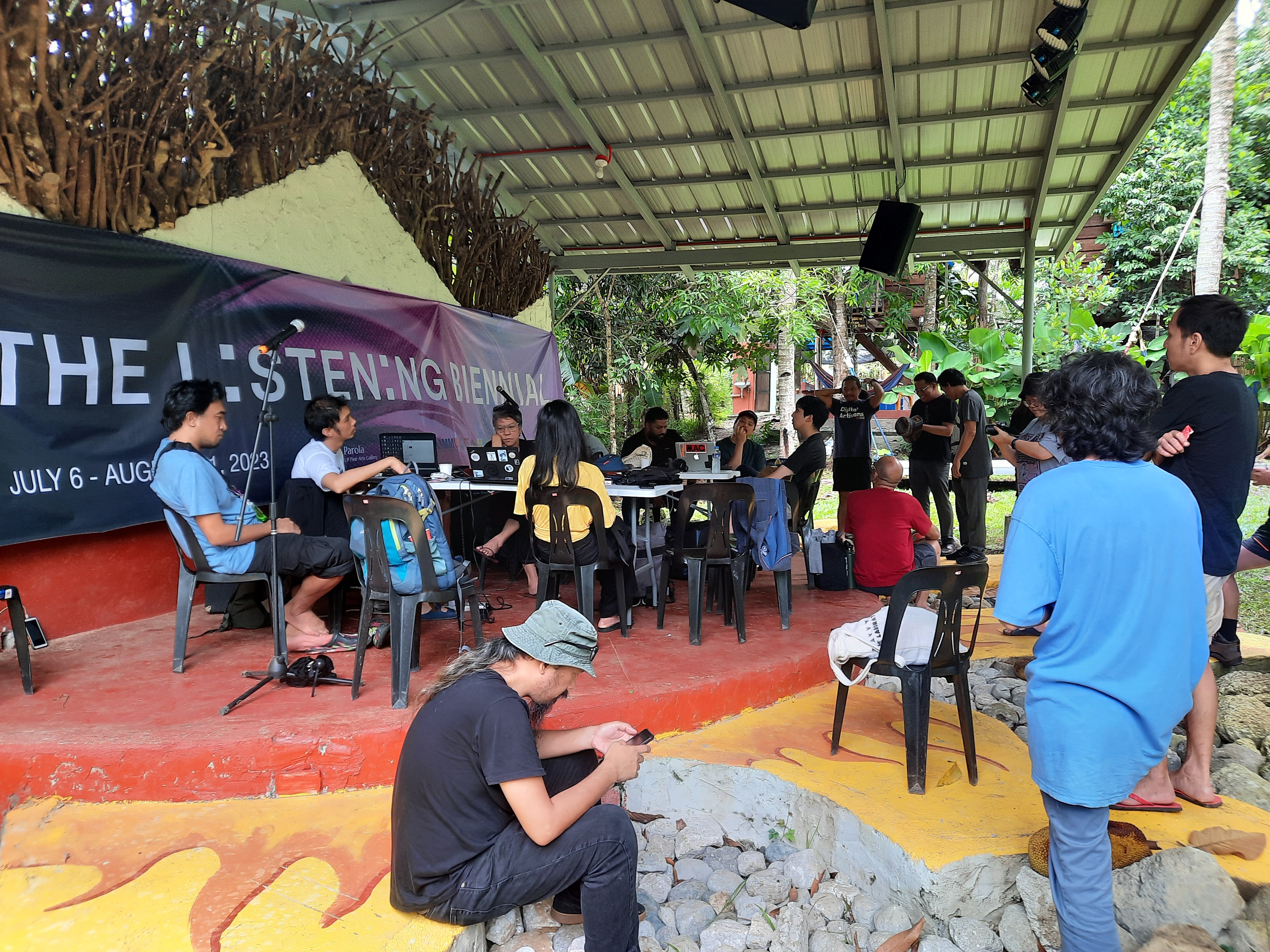
I’m thrilled to announce that I’ll be participating in the ListeningBiennial in South East Asia in July.

In contrast to forms of cognitive capitalism, Yves Citton argues for attentional ecologies that can support and enhance sensate sovereignty across society. While cognitive capitalism instrumentalizes and individualizes attention, attentional ecologies nurture critical and creative capacities and related interdependent bonds. Ecologies of attention are fundamental to acknowledging and supporting mutuality and reciprocity; they do much to keep open what counts within the arenas of the sensible, reminding how “attention is our purest form of generosity” (Weil). The second edition of The Listening Biennial is envisaged as an ecology of attention, one shaped by a critical concern for challenging existing constructs of exclusion and extraction, and that invites a shift from paying to giving attention. Such giving is emphasized as profoundly dynamic, that moves across a range of sites and scenes, and whose movements incite and seed forms of recognition and cooperation, collective joy and contestation. This includes what we may term poetic sensing, where methods of engagement are enhanced by the power of the imagination. Following such perspectives, The Listening Biennial opens onto questions of sensate sovereignty and attentional ecologies, as well as imaginary power and the acts of storying that follow, and how these contribute to communal flourishing.

My schedule for the Bieannial:

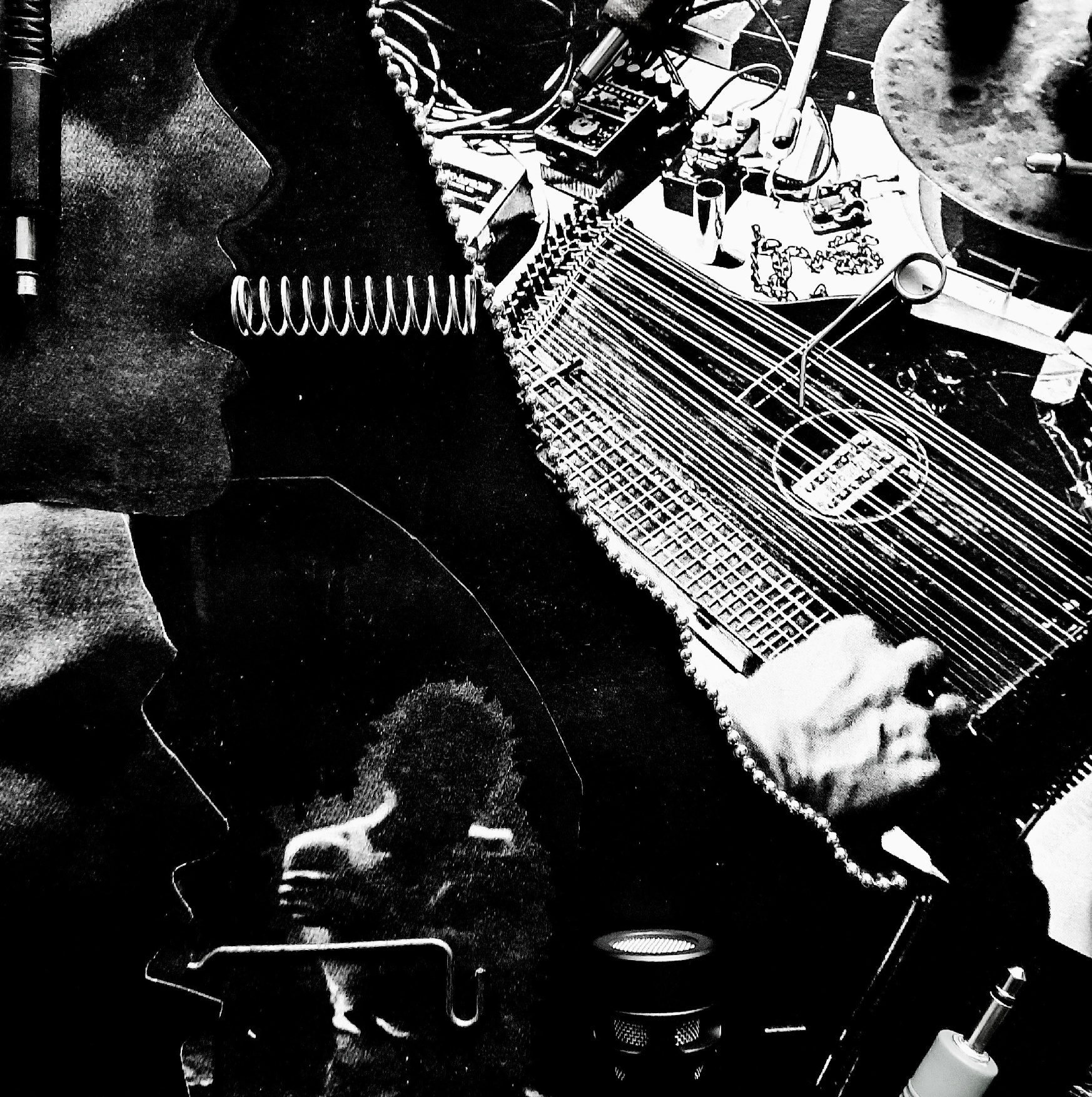
July 12: Listening Tambayan at Fine Arts Gallery, University of the Philippines [annotated playlist as a sonic journey through different conceptions of noise and aural impossibilities. Noise becomes audible at and as the limits of sonic perception, as a technological artifact, the sound of silence and the turmoil of riots. Displaced and uncanny noises mix with sounds that are in themselves impossibilities, or unsound as Steve Goodman called them – from white noise and electromagnetic waves to birdsong and bats.]

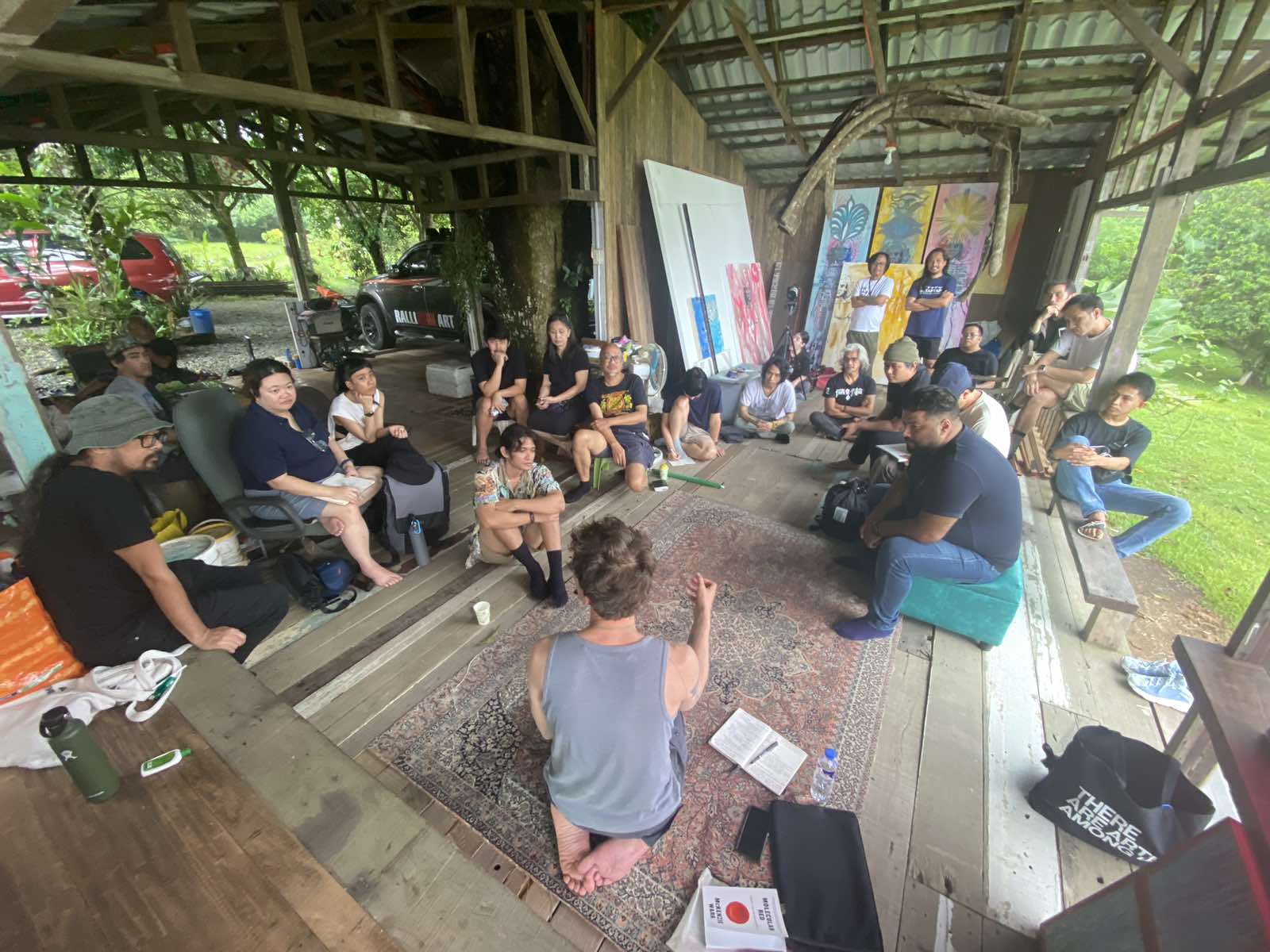
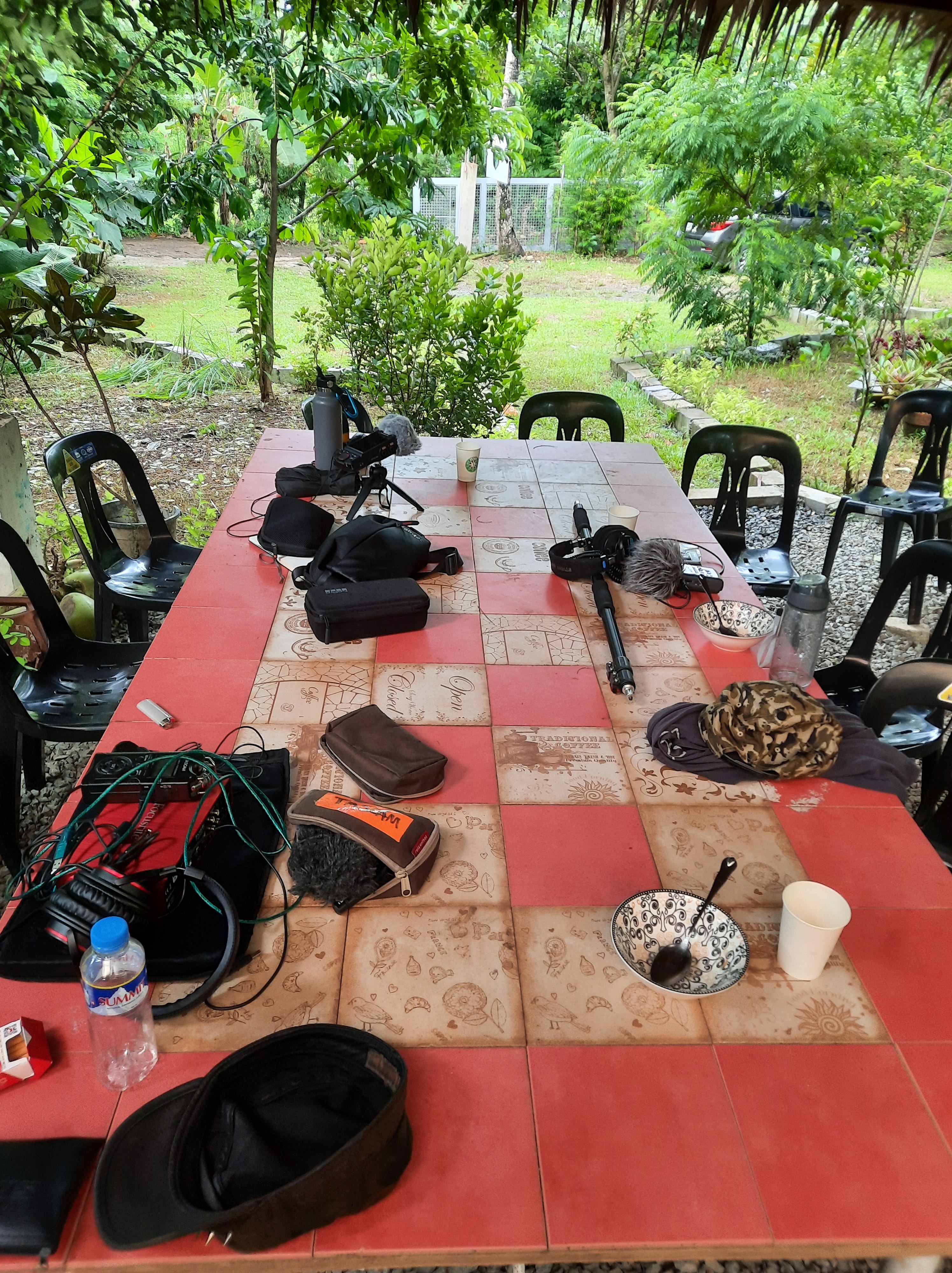
July 14-16: Sound Camp at Alitaptap artist village [a workshop on sonic ecologies and bioacoustics in the Anthropocene, contrasting the writings on the soundscape by R.M. Schafer and Bernie Krause with McKenzie Warks work on the Anthropopcene. Sonic mapping of the geophony, biophony and anthropophony of the area surrounding Alitaptap]

July 22: Listening Symposium at Silpakorn University Bangkok [talk on Noise as Sonic Experience]

July 29: Listening Symposium at Malaysia Multimedia University Kuala Lumpur [talk on Noise as Sonic Experience]

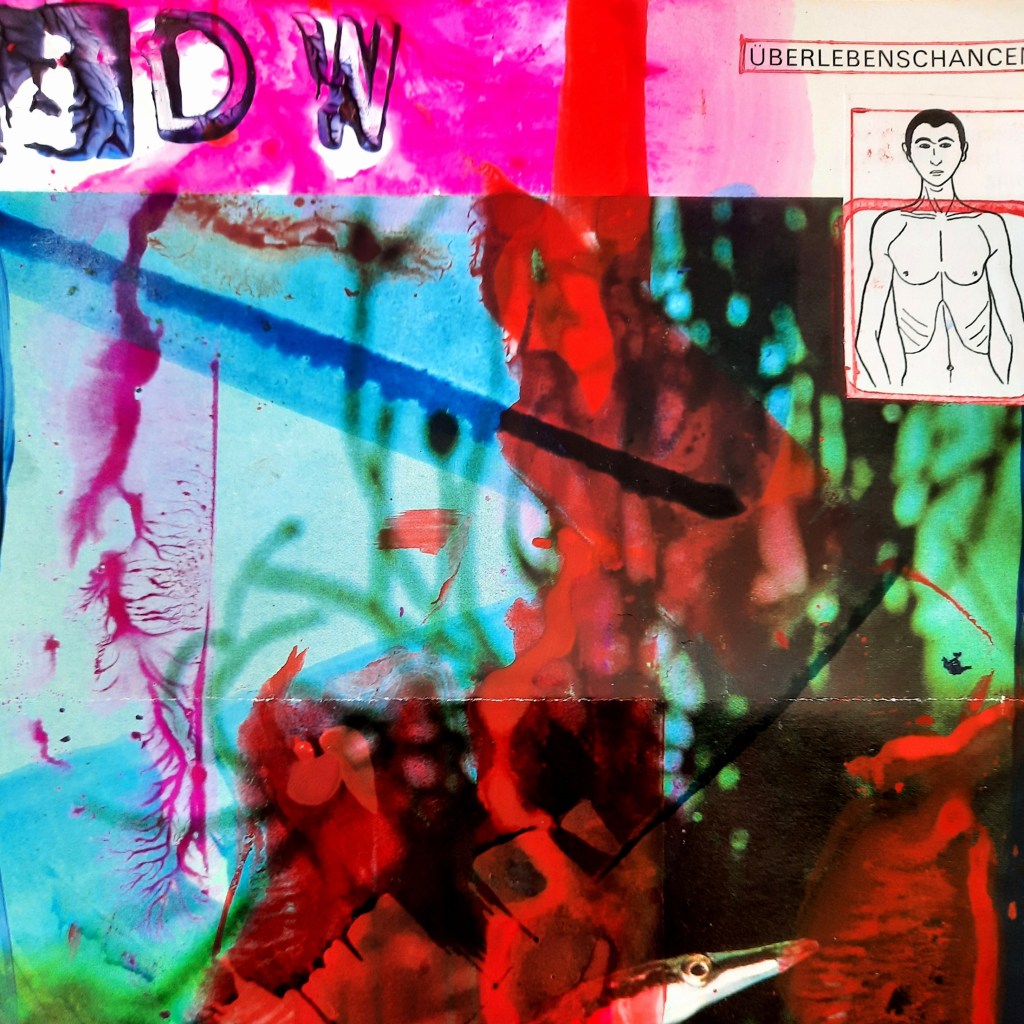
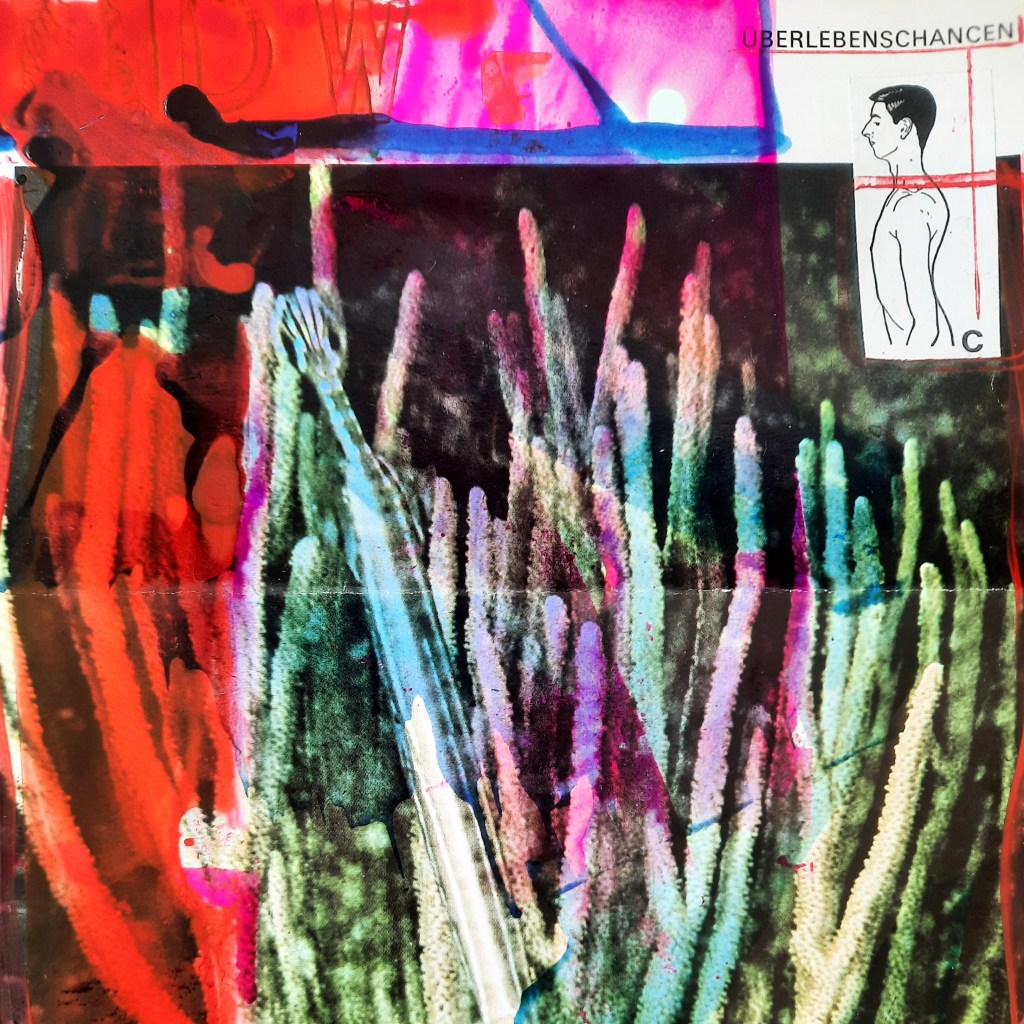
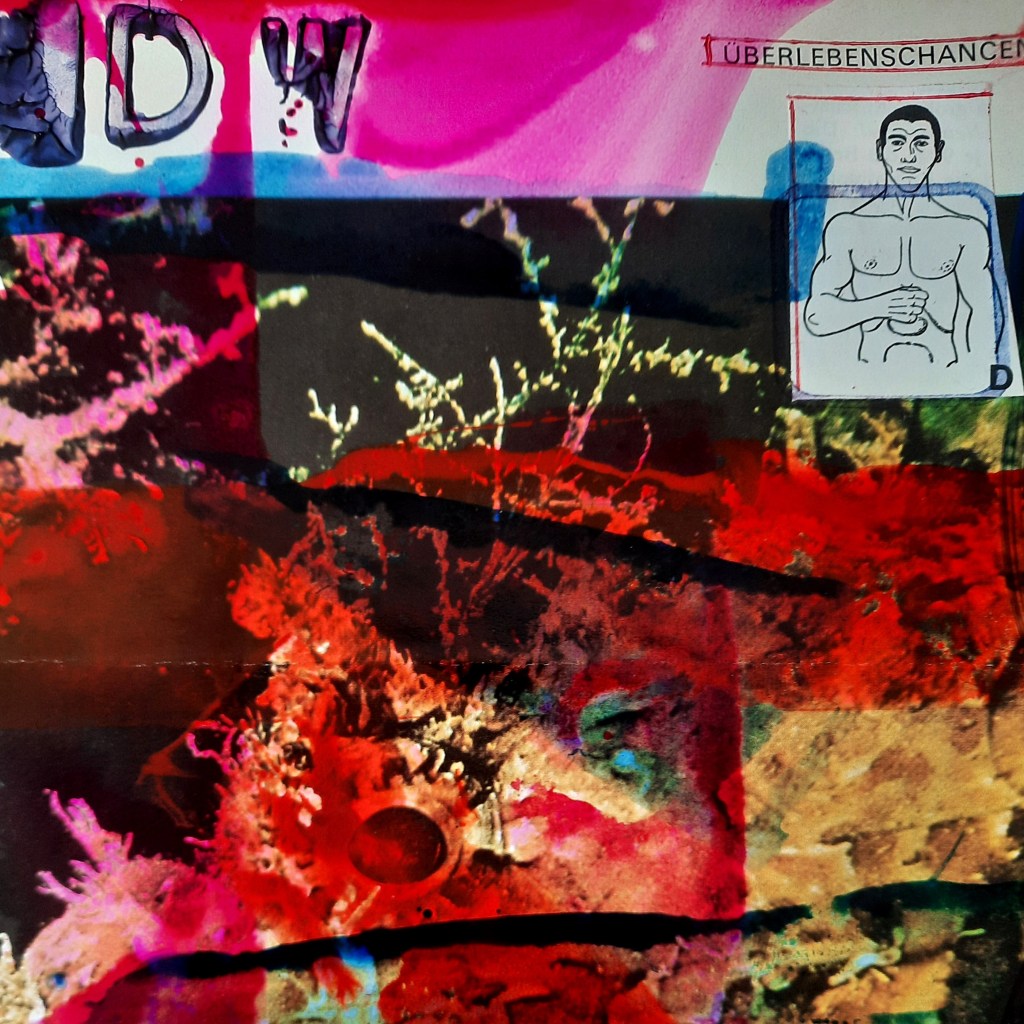
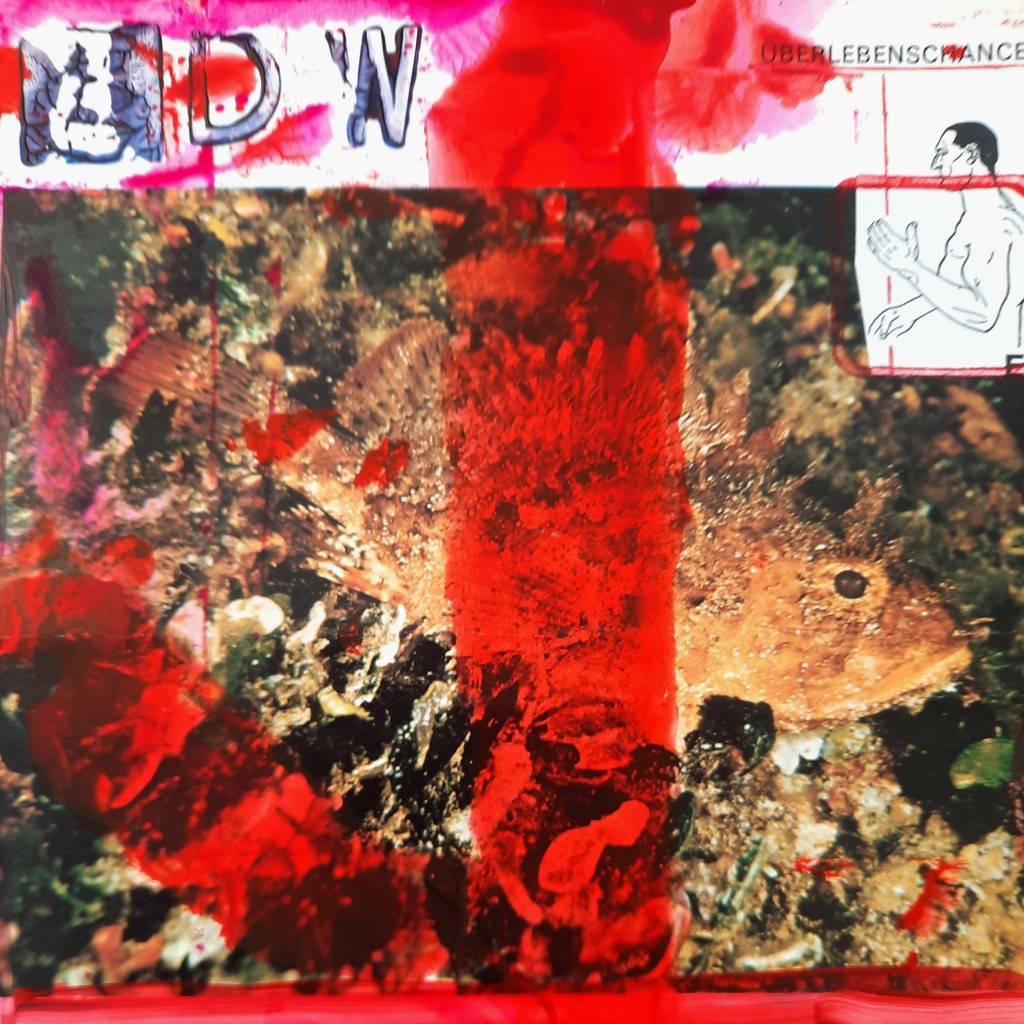
Santé Et Efficacité – new tape on Falt records

release

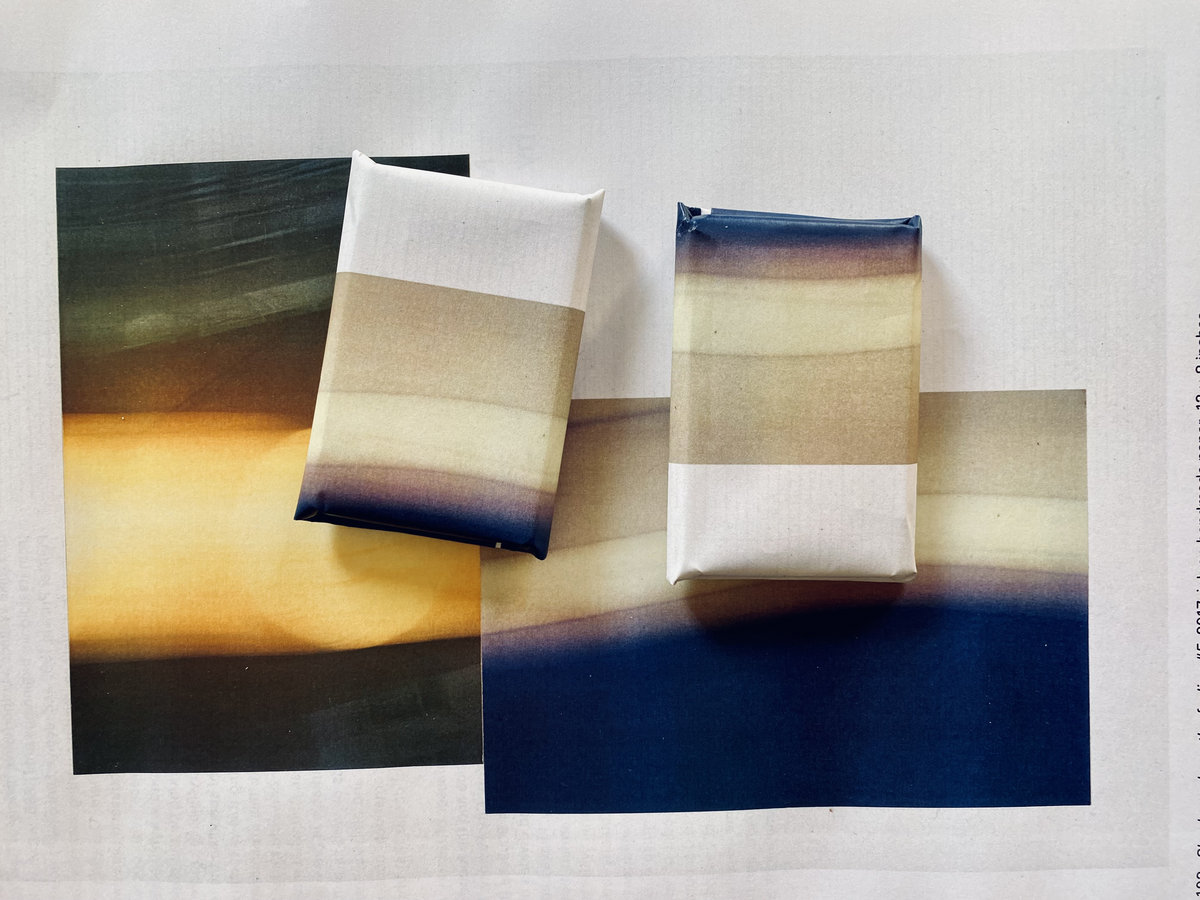
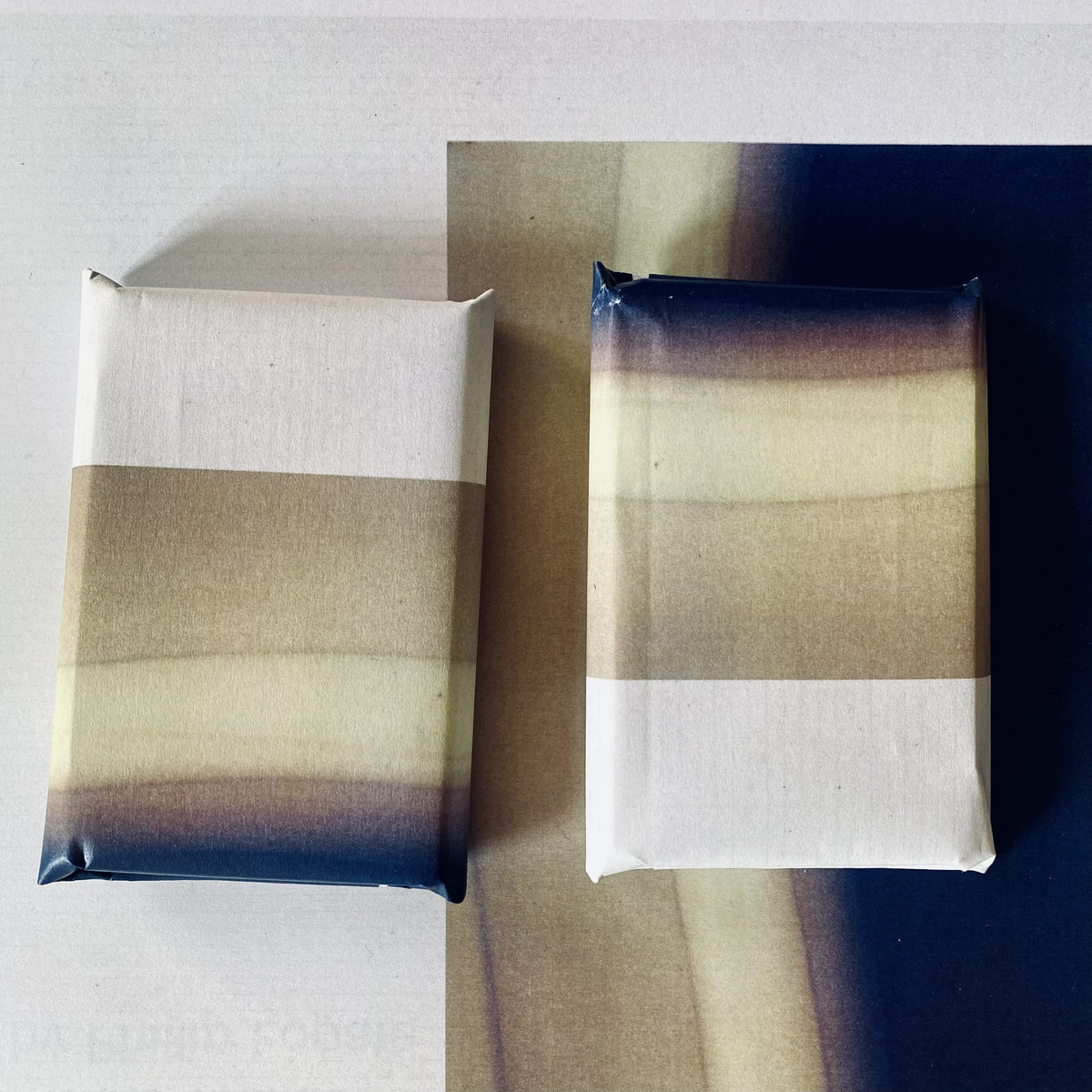
My new tape Santé Et Efficacité is now available on the awesome Falt label.
Recorded in the summer of 2020, during a climate change heatwave & in quarantine with a Covid infection, these four songs deal with apocalyptic dread from a strictly personal perspective.

The title is borrowed from This Heat’s last EP Health and Efficiency.

Bottlefly Blues is a nod to the blue bottle fly (calliphora vomitoria), a species of fly that feeds on corpses and is used in forensics.
I Want To Be An Insect is the title of a sculpture made in 1960 by Leonora Carrington.
The World’s Curling Up Like An Autumn Leaf is a line lifted from Derek Jarman’s film The Last of England.
D’ailleurs, C’est Toujours Les Autreus Qui Meurent is the inscription on Marcel Duchamp’s tombstone.

The Auditory Field: Political Acoustics – english translation

text

During the past months I translated three chapters from my book on noise to English. They form a part of the text that addresses the idea of an auditory field of the social that serves as a critical extension of the concept of the soundscape.

Transgressions: Noise and Violence

An introduction to the concept of auditory fields and the relations of noise, force and power in that field.

Ingressions: The Horror and Benefit of Silence

A critique of the discourse on silence that focuses on aggressive uses of quietness and the commodification of silence.

Delimitations: Music and Power

A historical sketch of the relations between power and music. Features Michel Foucault, Italian opera, castration and Muzak.