
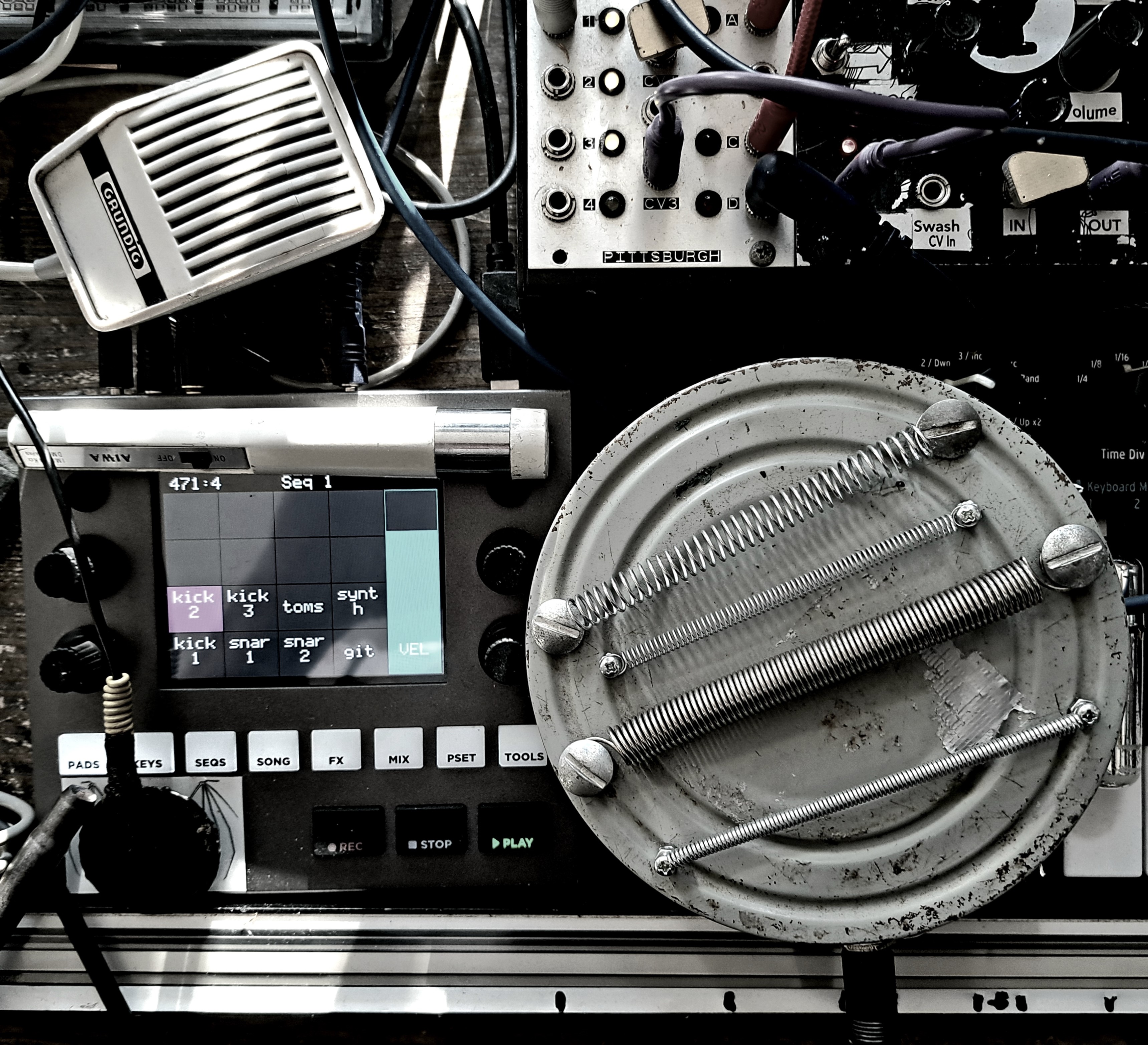
Release concert for Crudeltá Necessaria at West Germany, Skalitzerstr. 133 Berlin with Munsha.
Release concert for Crudeltá Necessaria at West Germany, Skalitzerstr. 133 Berlin with Munsha.
■
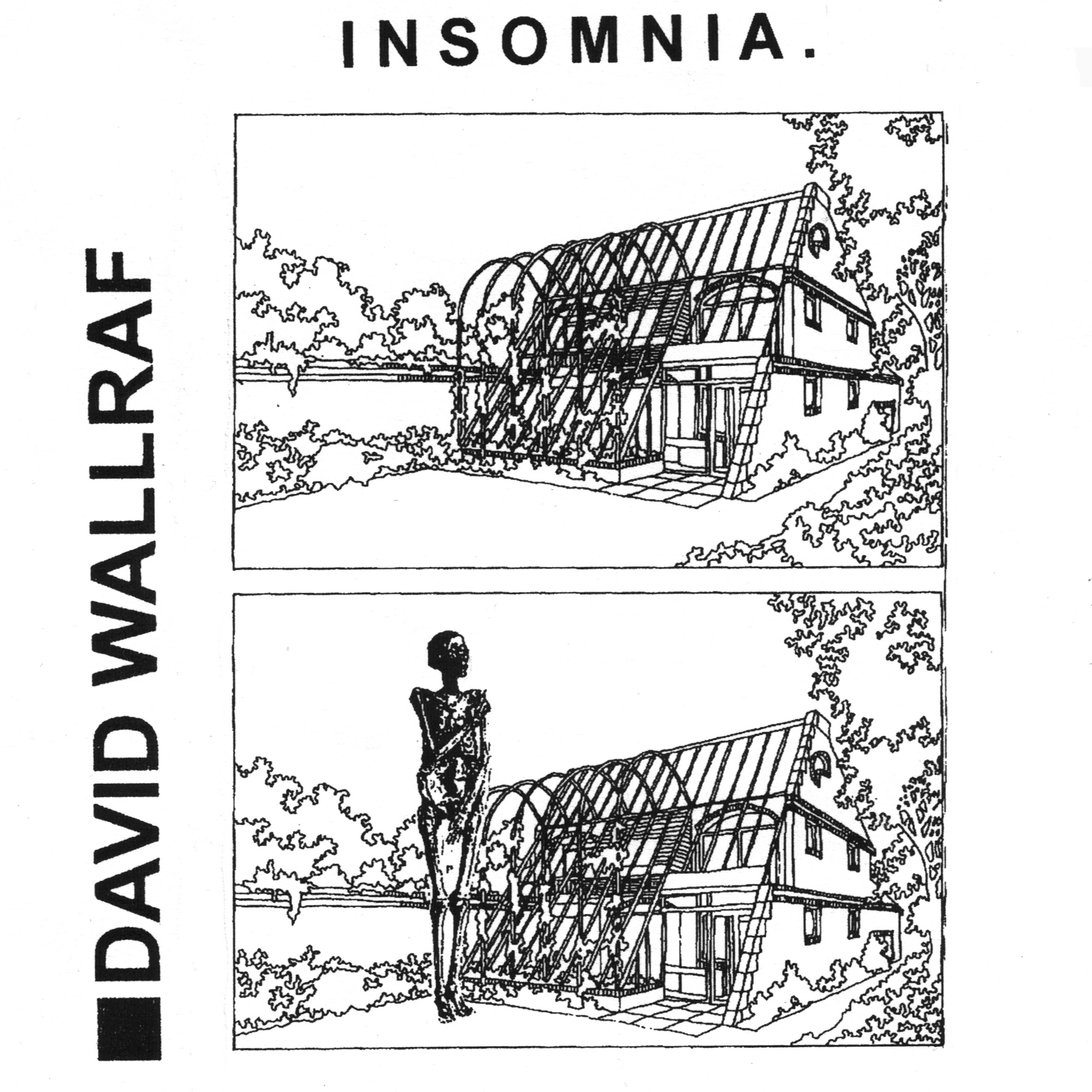
Three songs located in the nether land between noise, dub and lullaby. Initial recordings were done in a state of severe sleep deprivation. Limited edition of 30, comes with a sticker.

Upcoming: Druckerei/Gängeviertel in Hamburg. With Maschin Kaput, fngr fuia and SM12. Doors at 7, donation.
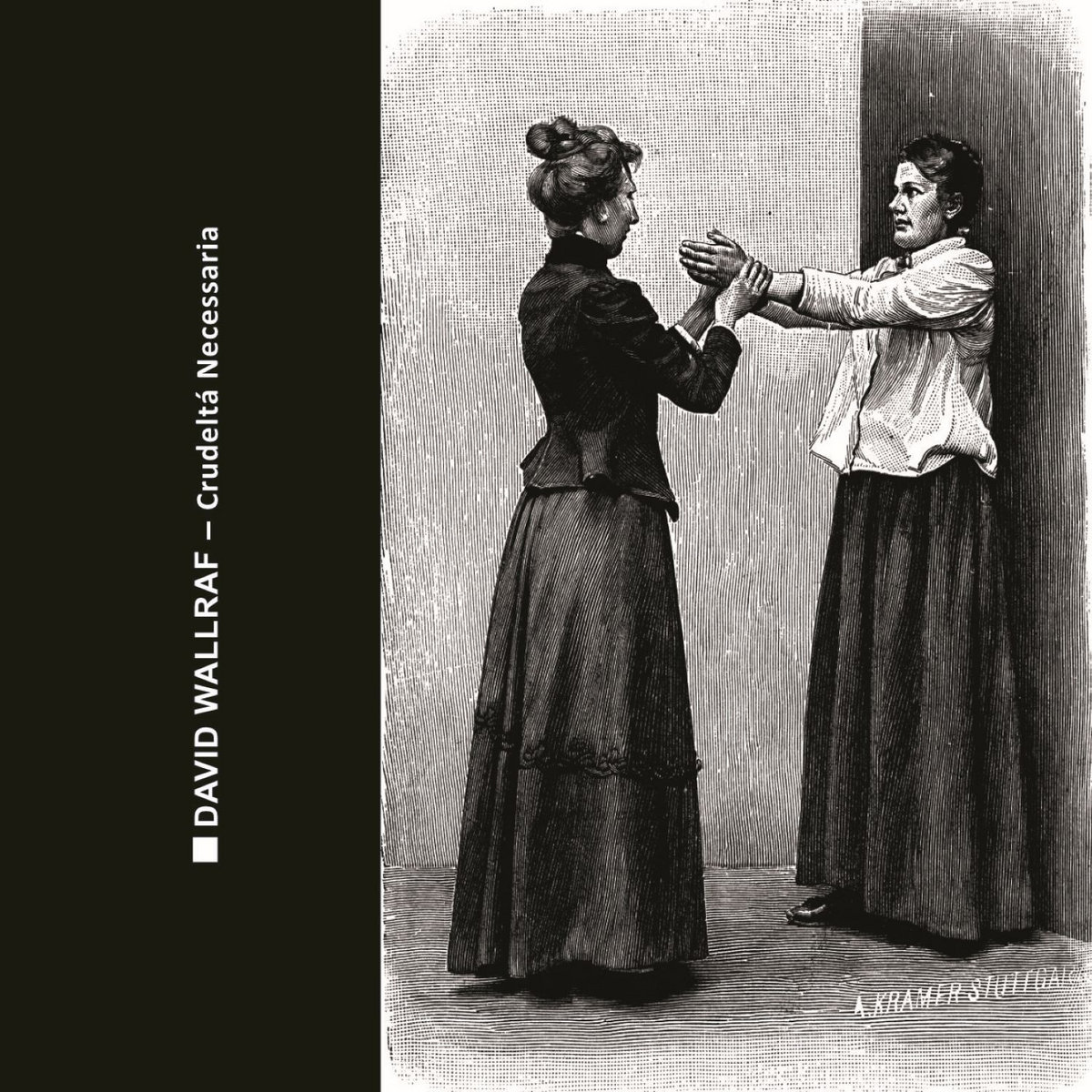
Limited edition tape, releases February 7, 2025 on Karlrecords.
Recorded in Hamburg-Wilhelmsburg, 2023-2024. Sound design fragments from Pasolini’s films Edipo Re (1967), Porcile (1969) and Medea (1969) were recorded to ¼-inch tape loops and appear throughout these selections.
The world (another word for society) is cruel in a banal sense: unjust, brutal and segregating. Life under capitalism is the generalized and global form of this cruelty, organized by the logic of abstract labor and alienation. But cruelty also carries a different meaning, one that has resonated with a few artists of the 20thcentury who positioned themselves against the cruel banality of their times. Cruelty in the sense of mercilessness or remorselessness, both a realism and a necessary stance in a battle against an overly powerful enemy. Antonin Artaud’s conception of the theater of cruelty exemplifies this stance, an „appeal to cruelty and terror […] whose range probes our entire vitality, confronts us with all our possibilities“ (The Theater and Cruelty). All our possibilities: an affirmation of radical difference. A similar posture, although it replaces Artaud’s mysticism with a communist viewpoint, can be found in the works of Pier Paolo Pasolini.
Pasolini was a merciless analyst and critic of society under capitalist production. His answer to the banal brutality of capitalism was an artistic cruelty of his own design, a necessary cruelty which is evident in the films and texts that inspired these recordings. It is evident in the transformations and transitions of the novel-fragment Petrolio, it glares and screams from the screen in his films. You can hear it in the last and only words of the young cannibal in Porcile („I killed my father. I ate human flesh. I quiver with joy.“), in Medea’s curse against Iason („It’s useless! Nothing is possible anymore!“) and in the Sphinx’s desperate cry when murdered by Oedipus („It’s useless! The abyss you’re throwing me in is in yourself!“). It gazes through the masks of mythological and historical settings. It is evident in the almost violent way Pasolini edited his films, a form of Verfremdungseffekt that exemplifies his remorseless stance towards his audience, the spectacle of the film industry, fascism and capitalistic society. This necessary cruelty serves as a last line of defense in the political and artistic struggle against societal and political pressure. With this release I hope to capture at least a fragment of this demeanor.

■
The People In The World Blow Up The World is a 6 track CDr released by Maya Schwarze Katze. The album was inspired by Kathy Acker’s 1984 novel My Death, My Life By Pier Paolo Pasolini. Tapes will also be available through the label in a bit.
■


■
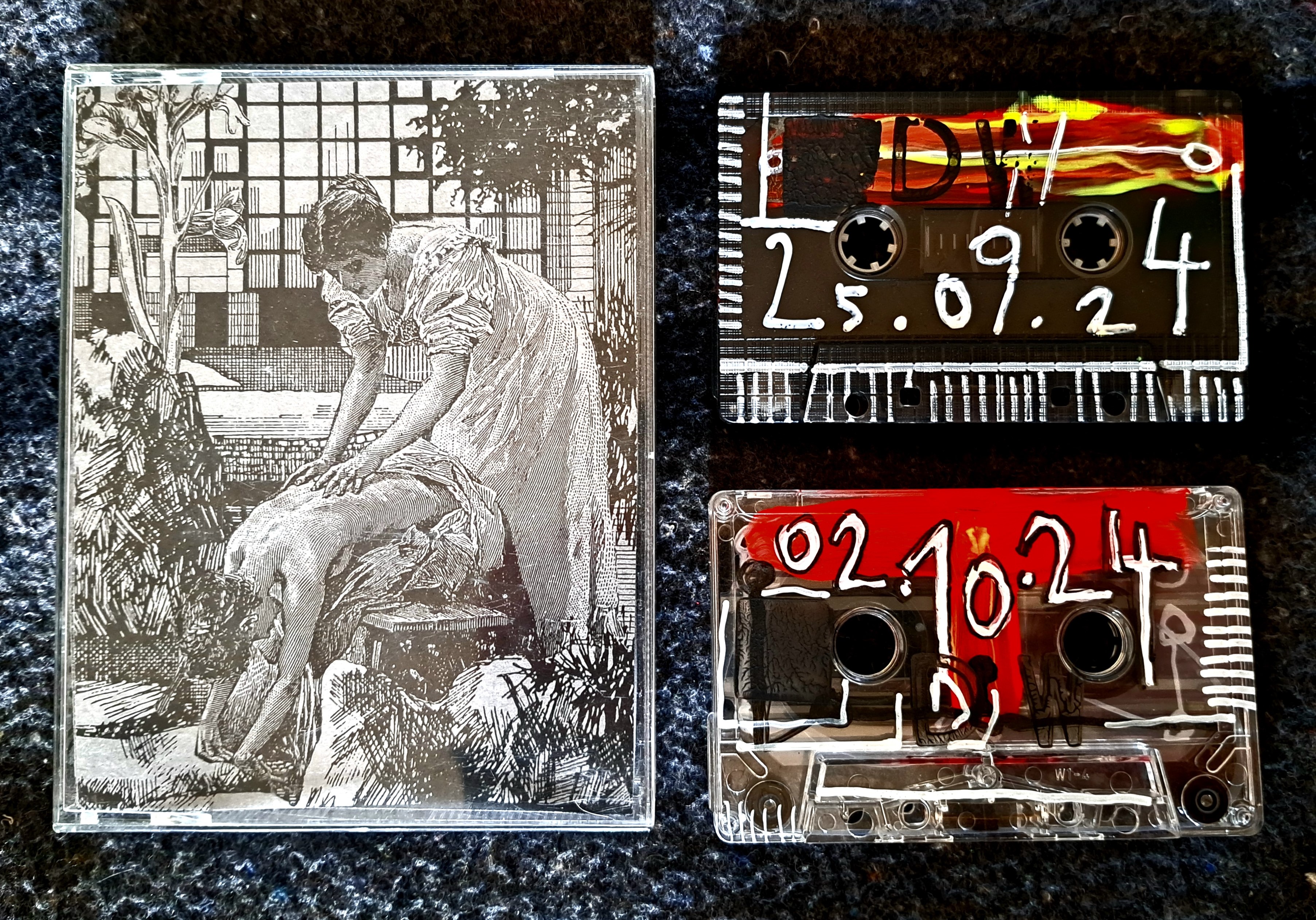
New release: Nightmare Cartography I & II. Accompanying pieces to The Commune Of Nightmares. Eight tracks recorded directly to recycled cassette tapes, no edits, no overdubs. Titles refer to the recording dates and fragments from a dream journal kept in 2024. Limited edition of two seperate sets of unique double tapes.
■

On November 28 I’ll a) give a workshop at ADBK Nürnberg on the acoustics of the political and b) play a show at Stellwerk, The gig is organised by Maos Rache as part of their Salon der unerfüllten Wünsche series.
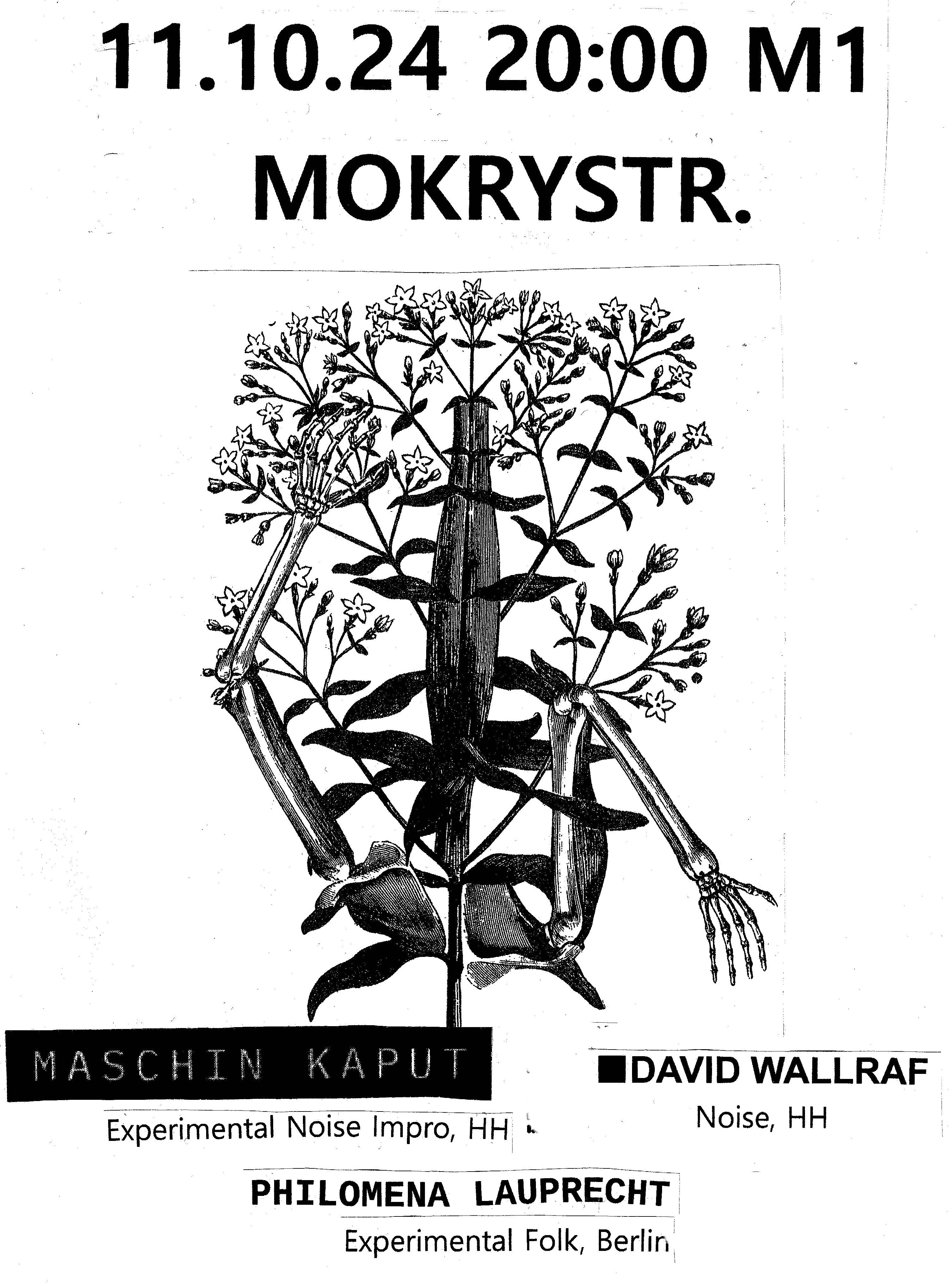
Concert with Maschin Kaput (impro, experimental, noise Hamburg), Philomena Lauprecht (weird folk, Berlin) and me. At M1, Mokrystr. Hamburg-Wilhelmsburg. 11.10.24, 20:00. Free admission, donations for Ukranian LGBTQ-org Nash Svit.
■
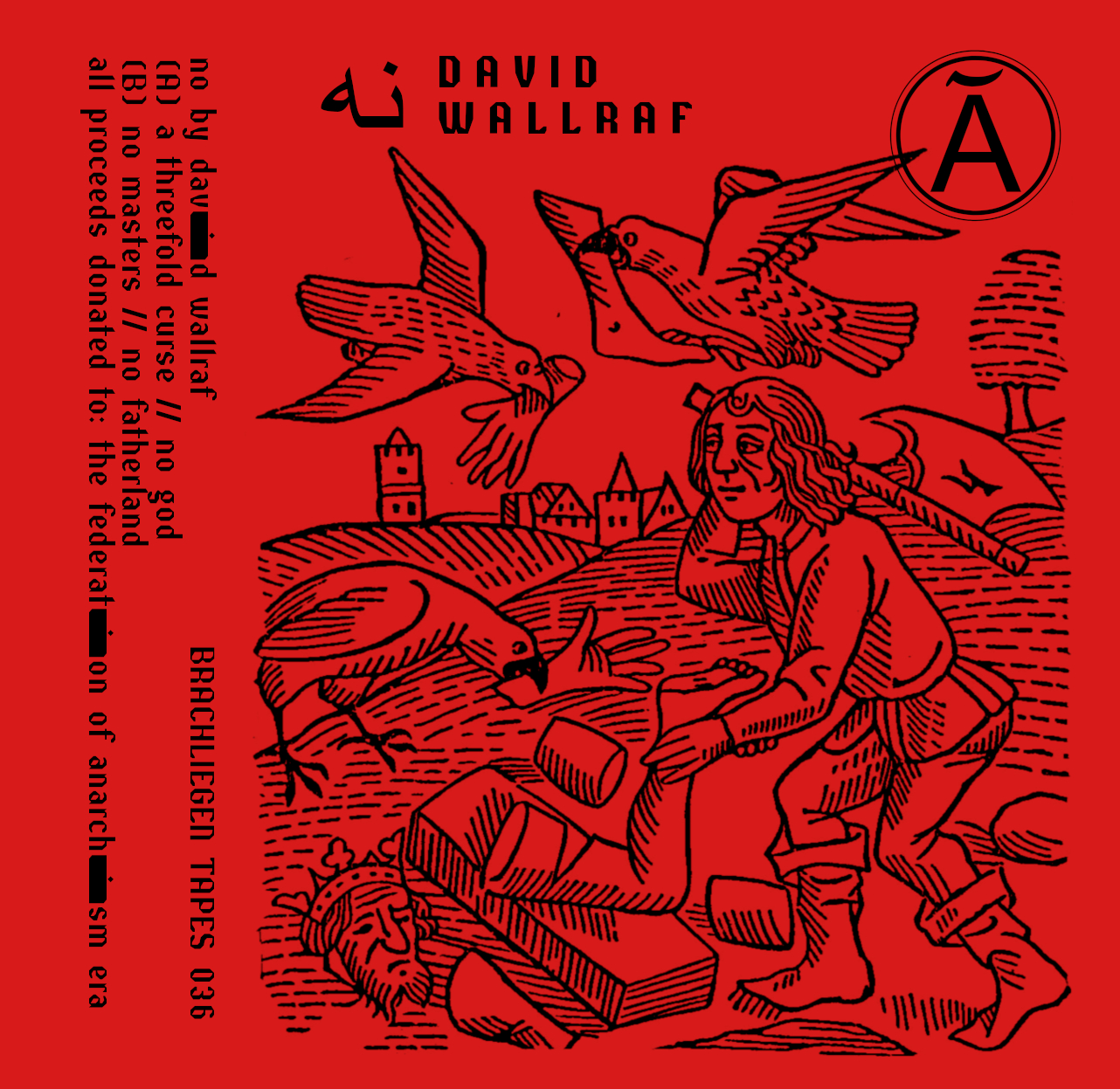
New tape on UKs Brachliegen Tapes will release on November 1: نه (no) is dedicated to the Federation of Anarchism Era, an anarchist organisation active in Iran and Afghanistan. They organize(d) local struggles both in Iran and Afghanistan, translate and distribute anarchist literature and publish news on its website and various social media channels. Since 2021 they managed to help the escape of several people from the reach of the Taliban. On the local level, members of the federation participated in the uprisings in Iran after the murder of Mahsa Amini in police custody in Iran.
The groups organised in the Federation of Anarchism Era operate decentralised but united in the goal of fighting the fascist theocracies governing their respective countries. Internationalism, feminism, atheism and a pro-LGBTQ+ stance are indispensable parts of their struggle.
Since the groups organised in the Federation of Anarchism are at this point able to sustain themselves, they have closed all donations. Any non-monetary support is welcome. Get in touch, inform yourself, become part of the struggle. The logo of the Federation of Anarchism Era has been reproduced with their kind permissionProceeds will go to Solidarity Detainee Support, a grassroots abolitionist visiting group working to break the isolation of UK immigration detention.
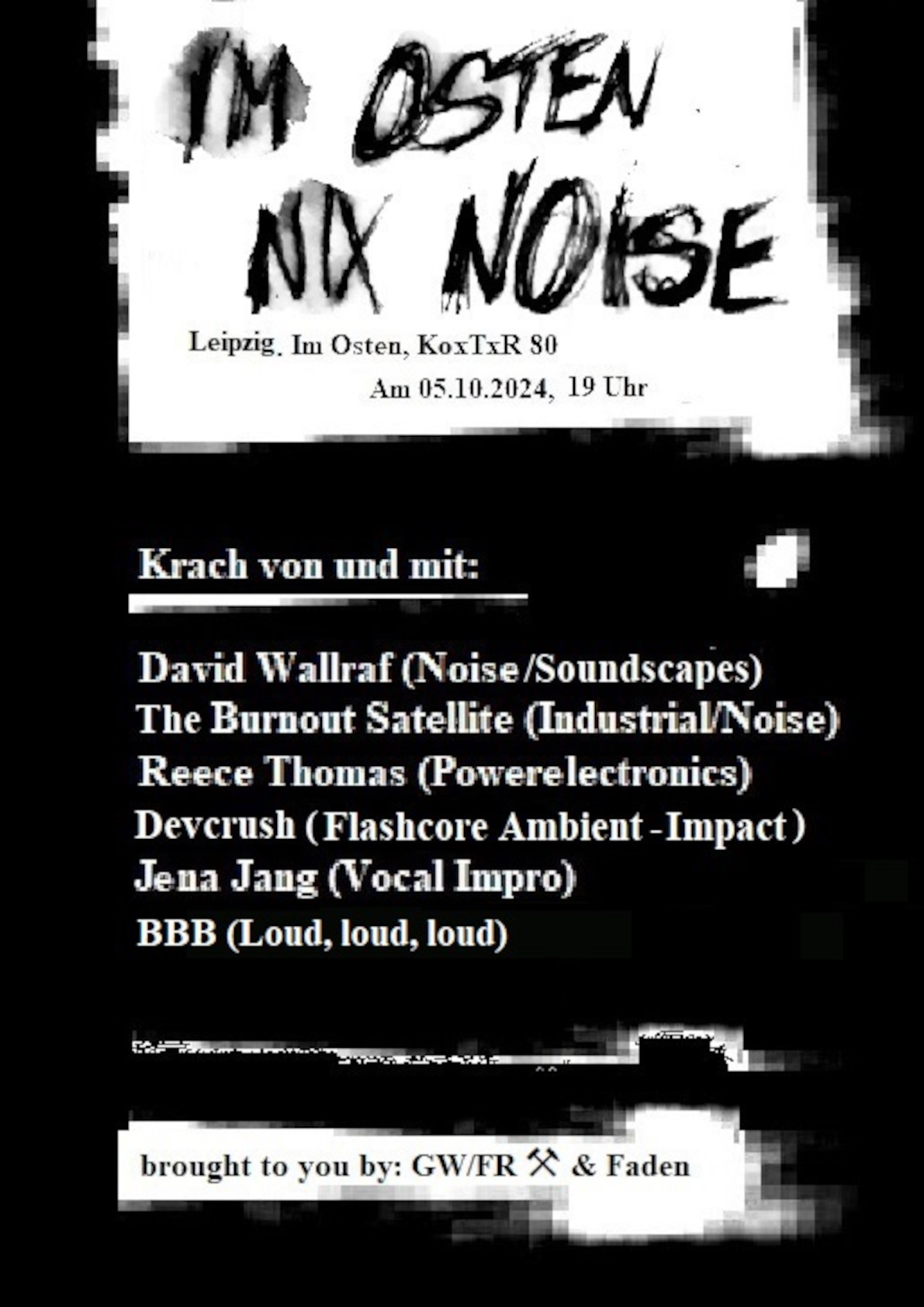
Concert at KoxTxR 80. With:
Reece Thomas (Leipzig / Powerelectronics)
Non-binary Musician from the UK residing in Leipzig. creating primarily synth music within the realms of ambient and drone. Their work often makes use of field recording, electronic experimentation and noise. for NixNoise Thomas will prepare a noisy powerelectronics set.
https://reecethomas.bandcamp.com/album/the-killing-tree
Jena Jang (Prag/Vocal Impro)
is an extended vocalist and experimental noise improviser currently based in Prague, Czechia. Jang explores innovative healing methods using vocal improvisation, extreme screaming, high-pitched frequencies, and somatic movements like head hanging and repetitive motions.
https://www.youtube.com/watch?v=wUmmnsYpgTk
The Burnout Satellite (Hamburg/Ritual/Industrial/ Noise)
https://theburnoutsatellite.bandcamp.com/
Devcrush (Leipzig/Flashcore/ Ambient-Impact)
BBB (Hamburg/loud/loud/loud)
 ⠙⠁⠧⠊⠙ ⠺⠁⠇⠇⠗⠁⠋